
Temperature Mapping Guide for Warehouses and Cold Storage Facilities
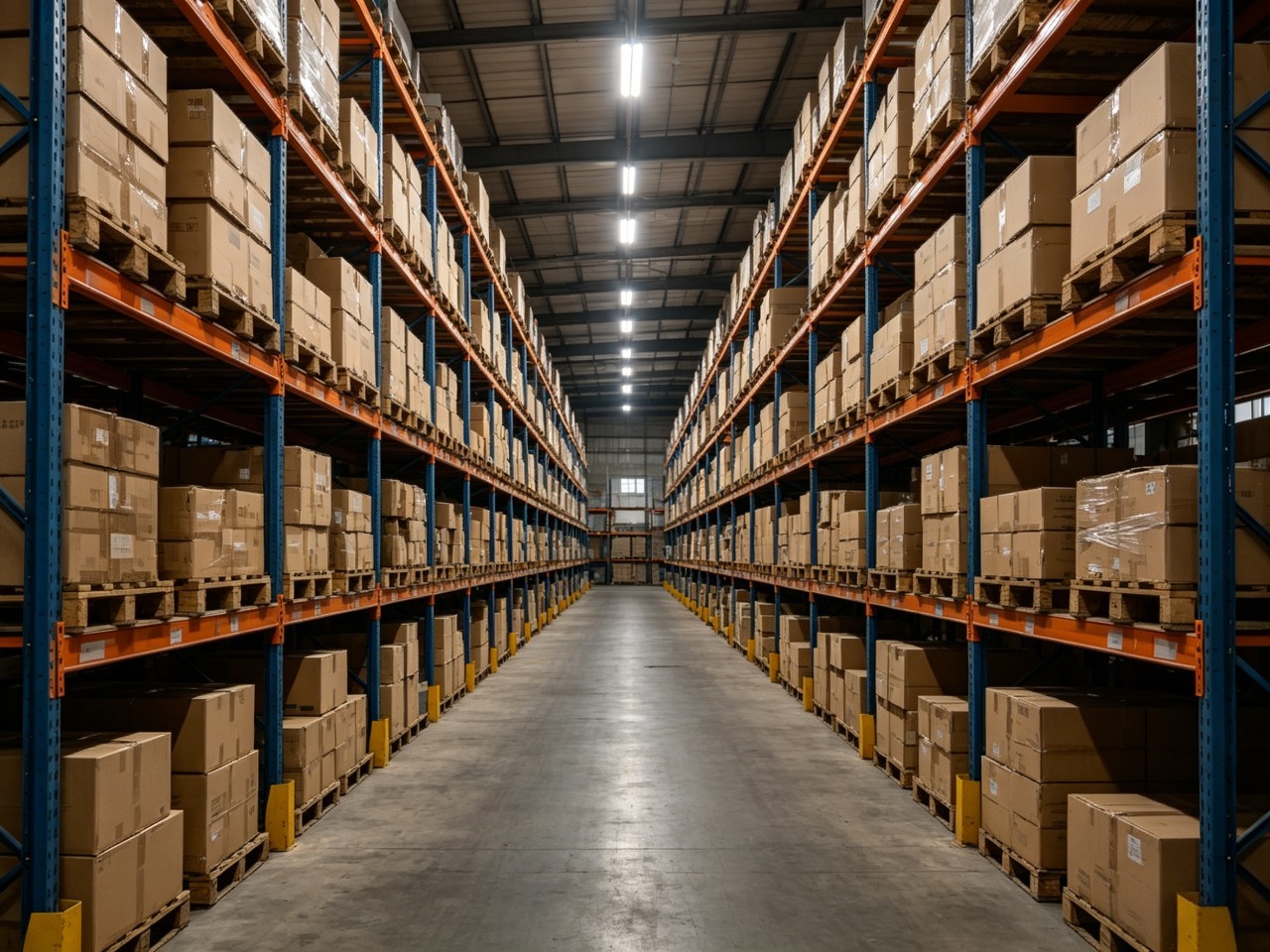
Temperature conditions are rarely identical throughout an entire storage facility.
Airflow, door openings, refrigeration equipment, and seasonal changes can create significant variations between locations.
Temperature mapping helps organizations identify hot spots, cold spots, and other environmental risks that may affect product quality.
By understanding how temperatures behave across a facility, operators can improve storage practices, optimize sensor placement, and reduce the risk of temperature excursions.
Temperature mapping is often one of the most effective ways to improve visibility and strengthen environmental monitoring programs.